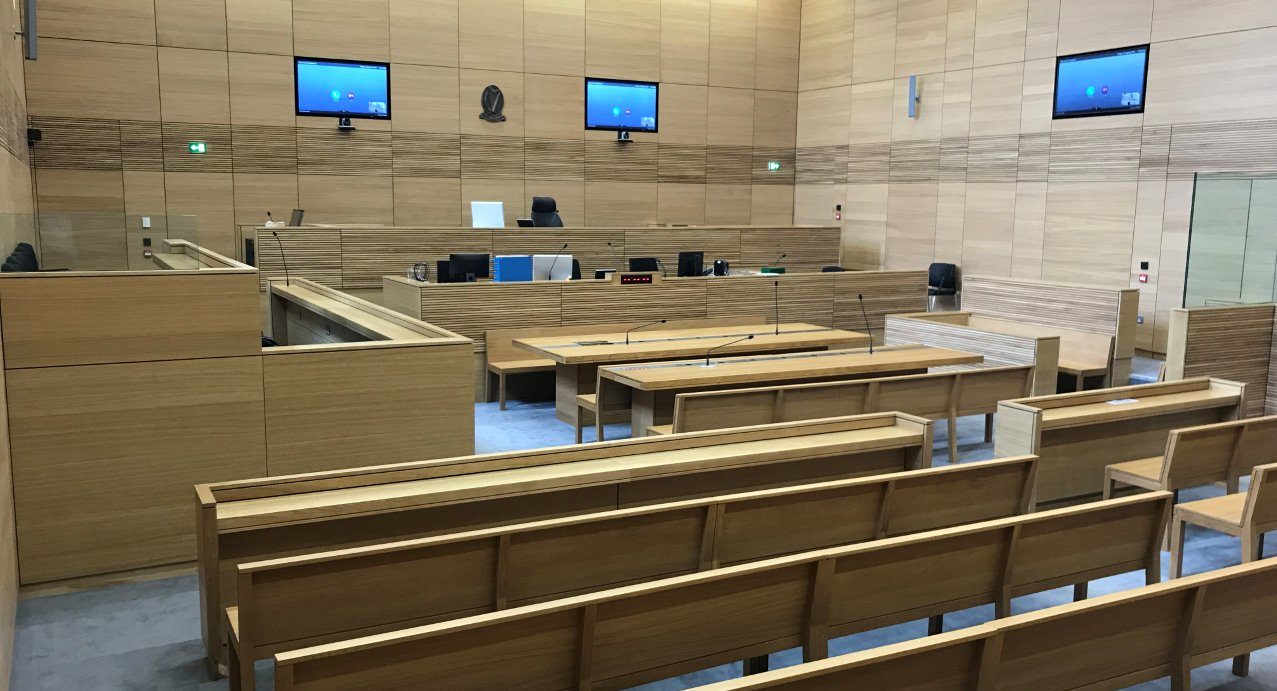
Do I have to go to Court?
A person can find themselves in court either through the charge sheet procedure or the summons procedure.
If you have been arrested on suspicion of an offence and the decision is made to charge you, you will enter a station bail bond before you are released from the Garda station, and you will be required to appear in Court on a specific date at a specific time. On entering the station bail bond, the Gardai will produce a charge sheet which is a document containing details of the offence of which you have been charged.
A summons is slightly different and is used when it is not considered necessary to arrest you to guarantee that you attend Court. This is a document which outlines the details of the offence you are alleged to have committed and can be issued by several different bodies such as An Garda Síochána, An Post, Government agencies among others. It will contain the details of what Court you need to attend and when.
The only situation where you will not have to attend Court is if you are caught drink driving, but the level of alcohol in your system falls below a specific threshold, you will be issued a ‘fixed penalty notice’ instead of being summoned to appear in Court. If you accept the fixed penalty notice, you will have to pay the requisite fine and carry out the prescribed disqualification period. If you do not accept the fixed penalty notice, you will need to defend yourself in Court.
Initial consultation
At Daniel Kreith & Co. Solicitors, we make sure to arrange consultations with all of our clients before their first court appearance. During this initial consultation, we will chat to you about your case and explain to you what to next expect. We will also discuss any possible defences we can identify in the case at this early stage. We are here to support you throughout this process from start to finish so you can rely on us to provide the necessary advice and guidance essential for handling charges like these.
First Court Appearance
Your first court appearance takes place in the District Court and at this stage, you will be legally charged with the relevant offence, be that drink or drug driving or both and your offence will be read to you in detail.
You will need to get disclosure from the Gardai which is the evidence that has been gathered against you. If this has already been collected and prepared by the Gardai, you will get it on this date. If not, your case will be adjourned to a date in the near future, and you should be able to get the disclosure on the next occasion.
In any event, there won’t be any further proceedings on this occasion as you will be afforded time to either consider all the evidence against you or to allow you to get the disclosure on the next occasion. It is highly recommended to seek legal representation who specialise in drink or drug driving cases. This will enable a thorough examination of the evidence against you and the development of a robust defence on your behalf.
Second Court Appearance
Your second court appearance will be where you indicate to the Court whether you are pleading guilty or not guilty. This decision is generally made after you have received the disclosure and considered same with your legal representation who will have advised you on what is the best option for you.
Generally, in drink and drug driving cases there is little to no benefit to pleading guilty as the penalties are mandatory and you will not be able to avoid a disqualification if you plead guilty. If you do decide to plead guilty, the court will proceed to sentence you there and then. If you plead not guilty, a hearing will be scheduled for you.
Third Court Appearance
If you plead not guilty, you will get a hearing date and this will be your third court appearance. The prosecutor will usually be the prosecuting Garda and they will call their witnesses to give their evidence under oath. As the defendant, it is your right to cross-examine any prosecution witness after they have given their evidence. It is highly recommended that you engage the services of an experienced Solicitor if you are contesting your case as they will have the required skill and knowledge to fight your case on your behalf.
After the prosecution has concluded, you will have the opportunity to call witnesses on your behalf, but you are not required to do so.
The Judge will consider all of the evidence presented to the Court before making their final determination and will either convict you or to dismiss the case against you.
Sentencing
If you choose to plead guilty or are found guilty by a Judge after a hearing, the Judge will determine an appropriate sentence after considering several factors which include the weight of the evidence, the nature of the offence, previous convictions (if any), and the impact on other road users. There will be a mandatory disqualification from driving as well as a fine, and sometimes, a prison sentence but this generally is reserved for the more serious offences.
If you have been charged with drink or drug driving etc please contact Daniel Kreith & Co where we are committed to achieving the best outcome for your case.