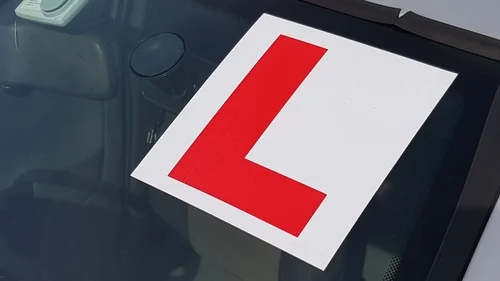
What is a learner or novice driver?
In common terms, we recognise learner drivers as individuals who have not yet obtained their driving licence but are taking the necessary steps to do so. These steps involve undergoing twelve lessons with a registered driving instructor for the purposes of being able to take and pass the Irish driving test which is carried out by the Road Safety Authority. Learner drivers must display L – plates on their vehicle and they must be accompanied by someone who has held a valid driving licence in the same category for more than two years.
Novice drivers are individuals who have obtained their driving licence within the last two years. They must display N – plates on their vehicle for two years after receiving their first driving licence.
There are different categories of drivers within the Irish legal system and the Road Traffic Act 2010 defines both learner drivers and novice drivers as “specified persons” for the purposes of intoxicated driving offences (1). This classification system paves the way for lower prescribed alcohol limits and the applicability of differing penalties depending on your category.
Why learners or novice drivers are treated differently?
The Road Safety Authority explains that the reason learner drivers and novice drivers are treated differently is due to their level of experience, or lack thereof compared to fully licensed drivers who obtained their licence more than two years ago (2).
What are the limits for inexperienced drivers?
The prescribed limit for alcohol is staggered according to the driver’s classification and whether someone is in compliance with this limit can be tested through their blood, breath or urine. The prescribed limits for alcohol for specified persons is as follows: (3)
- Blood – not exceeding 20ml/100ml of blood.
- Breath – not exceeding 9mcg/100ml of breath.
- Urine – not exceeding 27ml/100ml of urine.
This is in stark contrast with non-specified persons where the limits for alcohol are as follows:
- Blood – not exceeding 50ml/100ml of blood.
- Breath – not exceeding 22mcg/100ml of breath.
- Urine – not exceeding 67ml/100ml of urine.
It is illegal for an individual to be in charge of (with the intent to attempt to drive or drive), to drive, or attempt to drive a mechanically propelled vehicle in a public place while they are under the influence of an intoxicant rendering them incapable of having proper control of the vehicle (4).
However, the Road Traffic Act 2016 which commenced in March 2017 takes this one step further. This act created a specific offence of driving where the concentration of certain drugs in the blood equals or exceeds the prescribed concentration. It provides that where a driver is found to have certain levels of cocaine, heroin or cannabis in their system within three hours of driving, the prosecution does not need to prove that they were unable to properly control their vehicle as a result of the intoxication (5). This is known as a strict liability offence.
The prescribed limit for each is set out in the table below:
| Drug | Level (units in whole blood) |
| Δ9-Tetrahydrocannabinol (Cannabis) | 1ng/ml |
| 11-nor-9-carboxy-Δ9-tetrahydrocannabinol (Cannabis) | 5ng/ml |
| Cocaine | 10ng/ml |
| Benzoylecgonine (Cocaine) | 50ng/ml |
| 6-Acetylmorphine (Heroin) | 5ng/ml |
What are the penalties for inexperienced drivers?
Inexperienced drivers are sometimes subject to different penalties than their experienced counterparts. For example, if a learner or novice driver receives 7 penalty points in a three year period they face disqualification from driving for six months. Whereas an experienced driver will only face this penalty if they receive 12 penalty points in the same three year period. (6)
If a situation arises where an inexperienced driver is alleged to have either driven, attempted to drive or been in charge of a vehicle when they were over the prescribed limit but where those limits did not exceed 80 milligrammes of alcohol per 100 millilitres of blood,
107 milligrammes of alcohol per 100 millilitres of urine, or 35 microgrammes of alcohol per 100 millilitres of breath, they will receive a fixed penalty notice.
A fixed penalty notice is just another way to penalise a person for the offence without the need for a Court prosecution. It is important to note that although this method seeks to avoid the need for a Court prosecution, you do not have to accept the punishment and it is always open to you to contest the subject matter of the notice. If you do accept the notice, you will be disqualified from holding a driving licence for three months and you will have to pay a €200.00 fine. (8)
However, if a learner or novice driver is found guilty of an offence of drink or drug driving, they are liable to the same penalty as their experienced counterparts which is a fine not exceeding €5,000 or to imprisonment for a term not exceeding 6 months or to both and they will be disqualified from holding a driving licence for a specified period of time. (9).
Can learner or novice drivers still defend a case against them?
Yes, it is always open to a driver, regardless of whether they are a learner driver or a novice driver, who has been charged with an offence to defend the case against them. There are many different scenarios which may give rise to a defence, they could be prescribed for in law or be technical in nature and it is solely up to the Defendant on whether or not they wish to enter a plea of not guilty and defend themselves. This decision will usually be made once you have received disclosure from the prosecuting Garda which is the statements and documentary evidence that will be relied on in the case against you.
If you are a learner or novice driver that has been caught drink or drug driving, contact Daniel Kreith & Co. Solicitors today to get more information and discuss what next steps are available to you.